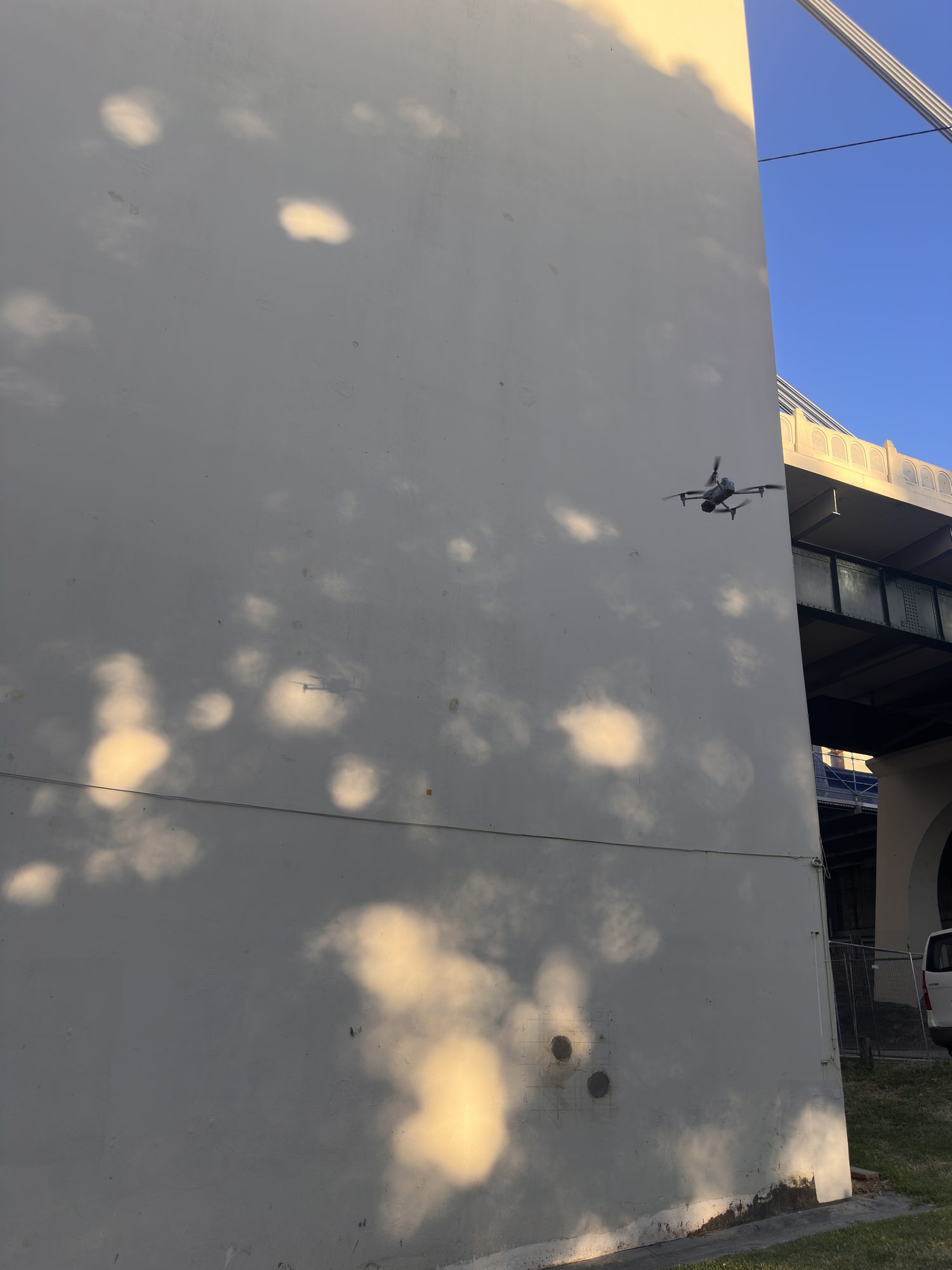
Why the paperwork is your problem too
When a drone operates over your site, the regulatory and liability exposure does not stay with the pilot. Principal contractors and asset owners carry obligations for who they engage, and an uncertificated operator on a Tier 1 site is a finding waiting to be written. The good news is that verifying an operator takes ten minutes if you know what to ask for.
What a ReOC actually is
Commercial drone operations in Australia run under CASA’s remotely piloted aircraft rules in Part 101. A ReOC — Remotely Piloted Aircraft Operator’s Certificate — is CASA’s certification of an *operation*, not just a pilot: it means the organisation holds approved procedures, a chief remote pilot responsible for compliance, and licensed pilots flying under a documented operations manual.
There is a legitimate lower tier — very small drones can fly limited commercial work in the excluded category with a CASA accreditation rather than a ReOC. That tier exists for a reason, but it comes with tight operational limits, and it is not the certification profile that infrastructure work in complex airspace calls for. Hover operates under CASA ReOC #9398 with the chief remote pilot flying every engagement.
Restricted and controlled airspace around Brisbane
Much of greater Brisbane sits under controlled airspace or inside restricted zones, which is precisely where a large share of the region’s bridges, towers and city assets happen to stand. Flying there is entirely achievable — with the right approvals. A ReOC holder can seek the airspace authorisations a given site requires; the process takes lead time, coordination and, for some locations, direct arrangements with airspace authorities.
What this means for your program is simple: build approval lead time into the schedule, and treat an operator’s airspace track record as a selection criterion. An operator who has actually worked CBD and airport-adjacent zones will talk in specifics — lead times, conditions, the documentation your site team receives. One who has not will change the subject.
Procedures: what a professional operation runs on
Under a ReOC, flights run on standard operating procedures: documented risk assessment, a job safety analysis, crew roles, weather and airspace checks, emergency procedures, and maintenance and battery management records. On site, that surfaces as a SWMS your safety team can actually review, exclusion zones agreed with your supervisor rather than improvised, and a pilot who briefs before flying.
This is also where drone work earns its safety case on inspection programs: a close visual inspection flown from standoff removes the working-at-height exposure that rope access and elevated platforms carry — but only when the operation around the aircraft is run to procedure.
Insurance on Tier 1 sites
Public liability is the baseline — major contractors commonly require $20 million, and Hover carries exactly that — but the number alone is not the check. Confirm the policy covers aviation operations of the kind being performed, ask for the certificate of currency before mobilisation, and make sure the named insured matches the entity you are engaging. Reputable operators send this pack unprompted, together with the SWMS and operating certificate; for repeatable programs like monthly progress documentation, it should be on file with your site team from visit one.
The checklist: what to ask before anyone flies
- Sight the ReOC — certificate number, named chief remote pilot, and confirm it on CASA’s public register.
- Ask which airspace the site sits in and what approvals the operator will hold for it — with lead times.
- Request the compliance pack: SWMS, certificate of currency for public liability (site-appropriate limit), operating certificate.
- Ask how accuracy is validated if data is being delivered — ground control, and a validation report with the deliverable.
- Ask who actually flies the job and their experience on comparable assets.
- Confirm how site coordination runs: exclusion zones, briefings, and the contact protocol on the day.
None of this takes long, and a professional operator will have every item ready before you finish asking. If any of it produces hesitation, that hesitation is the answer.