Close visual inspection, without the ropes
Sub-millimetre imagery of every face of the asset — captured from safe standoff, with no rope access crews, no scaffold, no EWP hire.
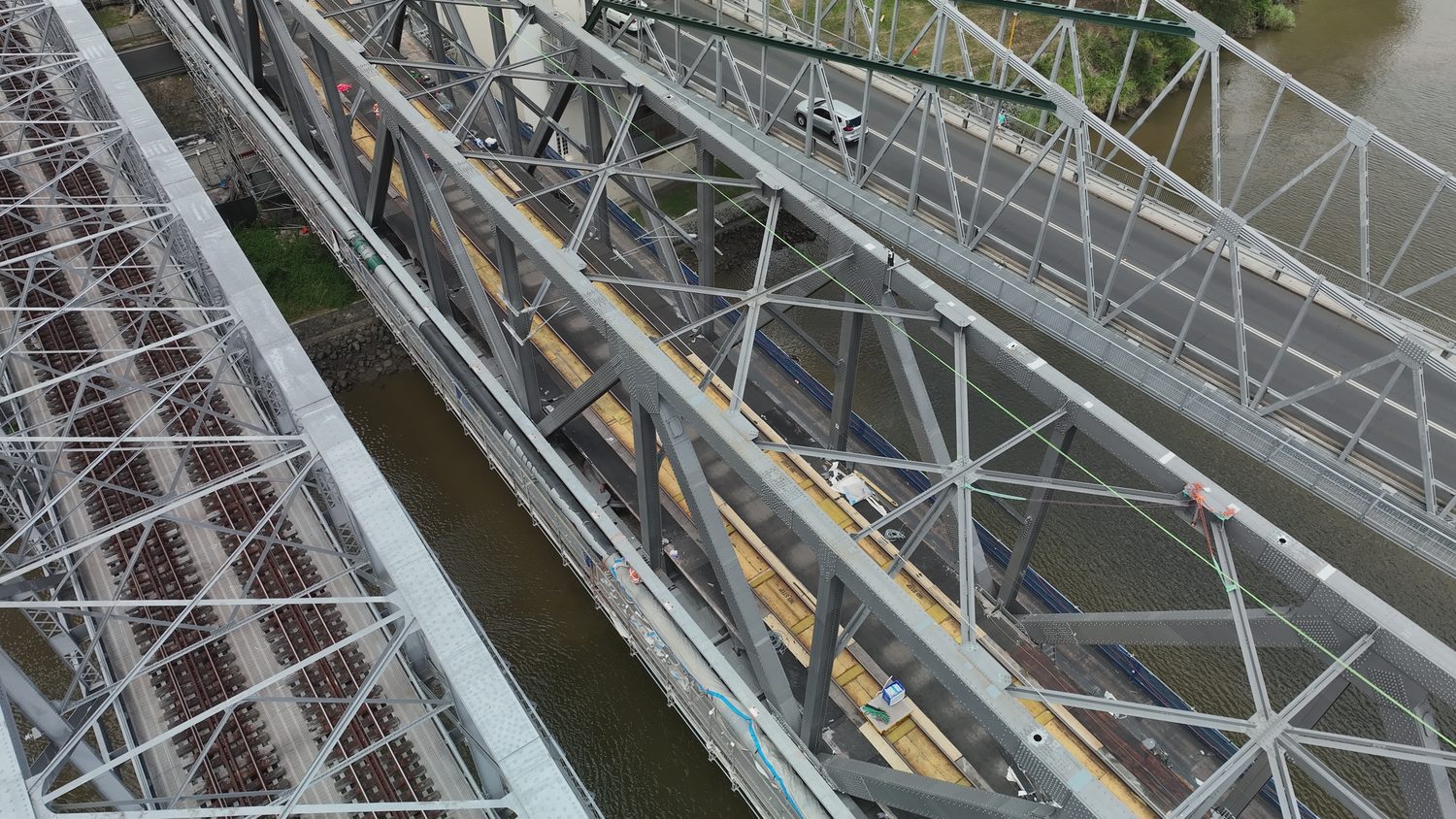
From full span to fastener, one capture
A drone visual inspection captures every face of a structure at sub-millimetre detail from safe standoff — no rope access, scaffold or EWP — for bridges, towers, dams and facades across Brisbane and SEQ. You receive inspection photos and video of the defects — reviewed by an inspector or third-party witness live or from the footage afterward, with a PDF report on request — rather than a 3D model. The same flight that documents the structure end to end resolves individual rivet heads and coating failure. Wide for context, tight for condition.
CONTEXT FRAME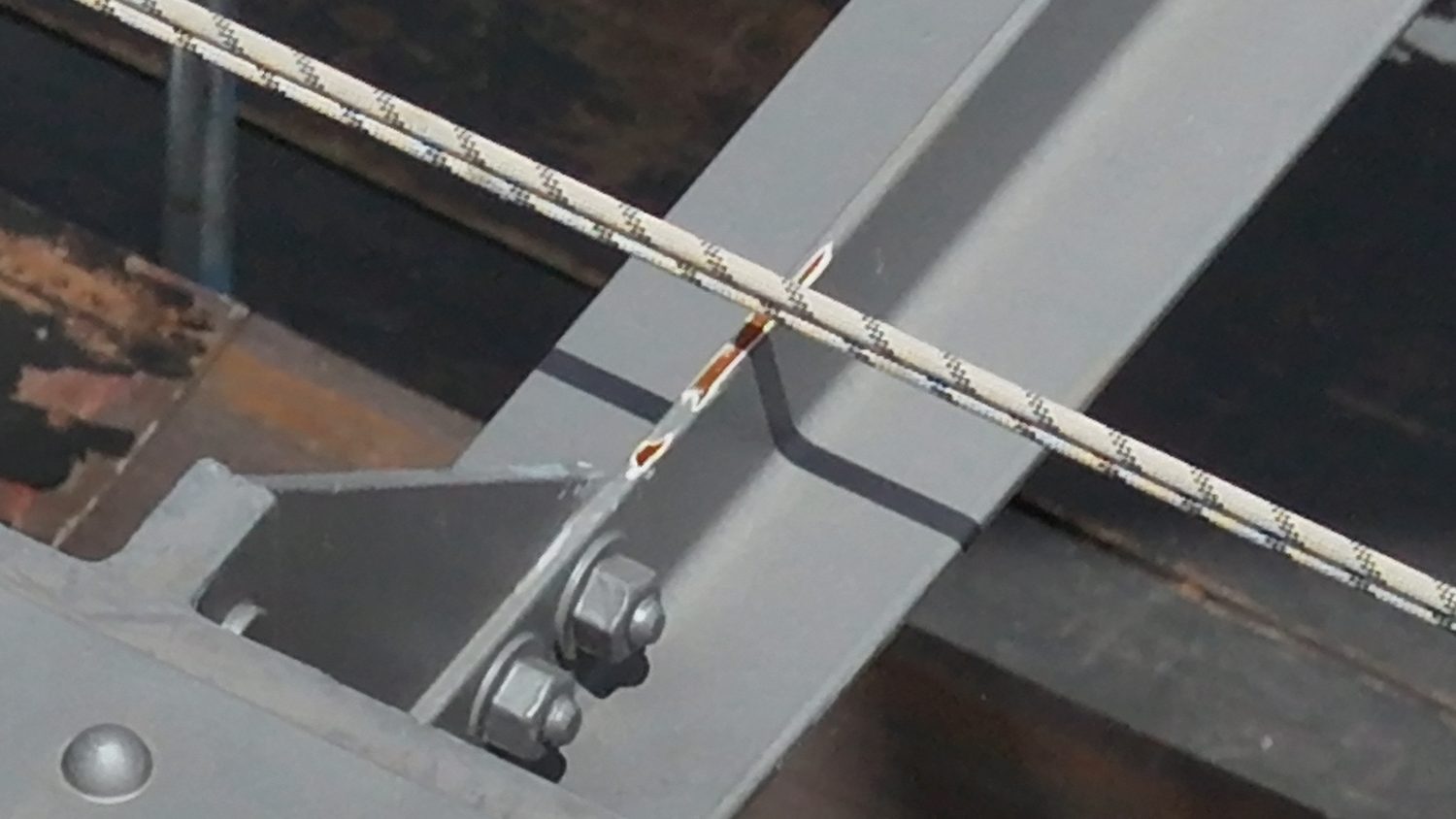 DETAIL — SAME PASS
What the drone replaces
A conventional close inspection means access: rope crews, scaffold, EWP hire, traffic control, permits — and people suspended next to the thing being inspected. Most of that cost buys access, not information.
Flown from standoff, the same information arrives without the exposure: full coverage of soffits, bearings and upper members that ground-based passes sample at best. A visual inspection builds no 3D model — you get the photos and footage of the defects, usually reviewed by an inspector or third-party witness live or afterward. It is the more cost-effective option; where you need each finding pinned to a measurable 3D model, step up to AI defect detection.
| Replaces | ROPE ACCESS · SCAFFOLD · EWP HIRE |
| Coverage | EVERY FACE, INCLUDING SOFFITS + UPPER MEMBERS |
| Exposure | ZERO WORKING-AT-HEIGHT |
| Deliverable | DEFECT PHOTOS + VIDEO · PDF ON REQUEST |
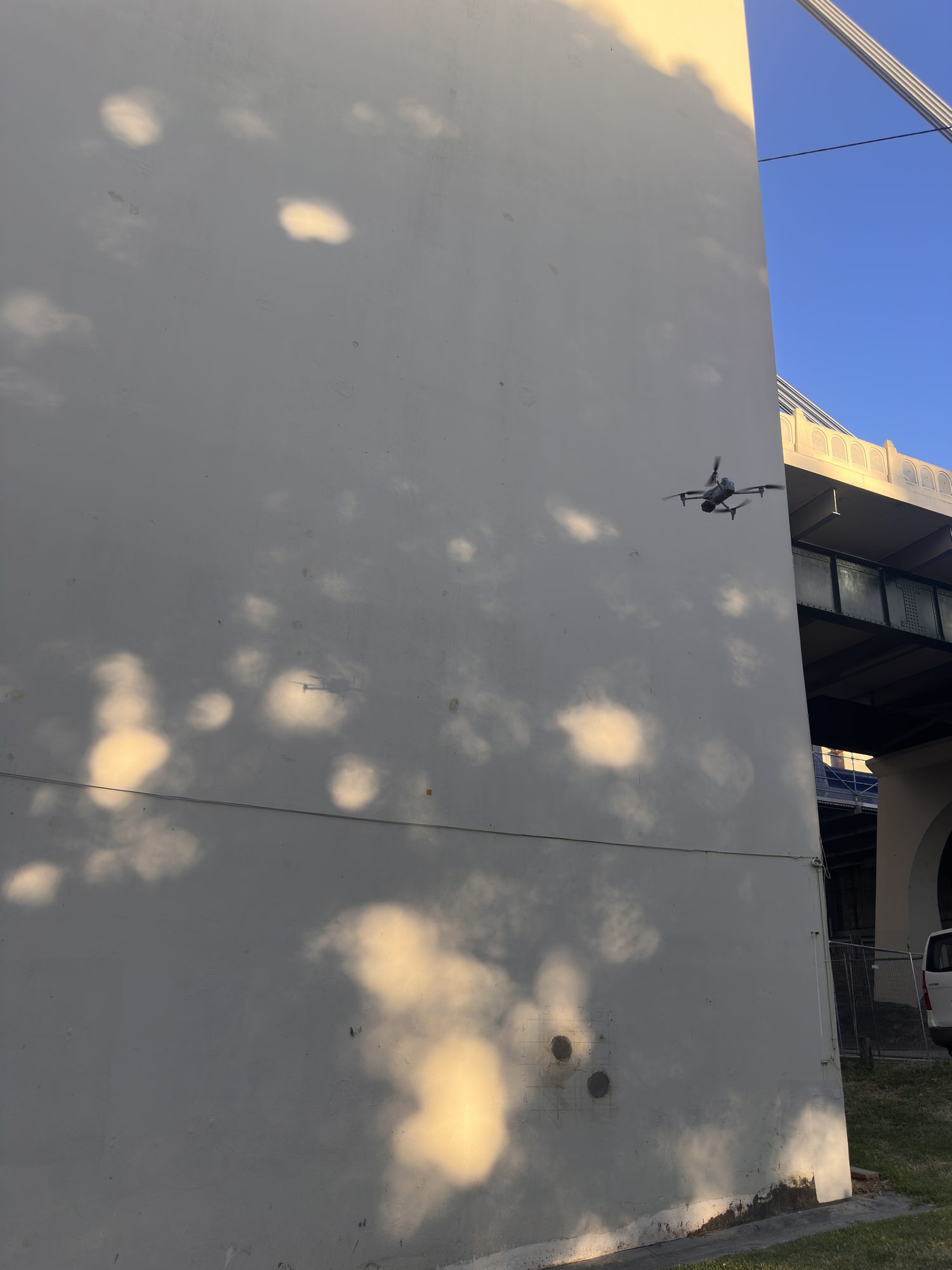 CAPTURE — STANDOFF POSITION
Where this earns its keep
River bridges, telecommunications towers, dam faces and spillways, wharves, facades, roofs and plant structures — anywhere condition matters and access is the expensive part.
Operations are planned around your site constraints and the relevant approvals, with SWMS and insurances supplied before anyone mobilises.
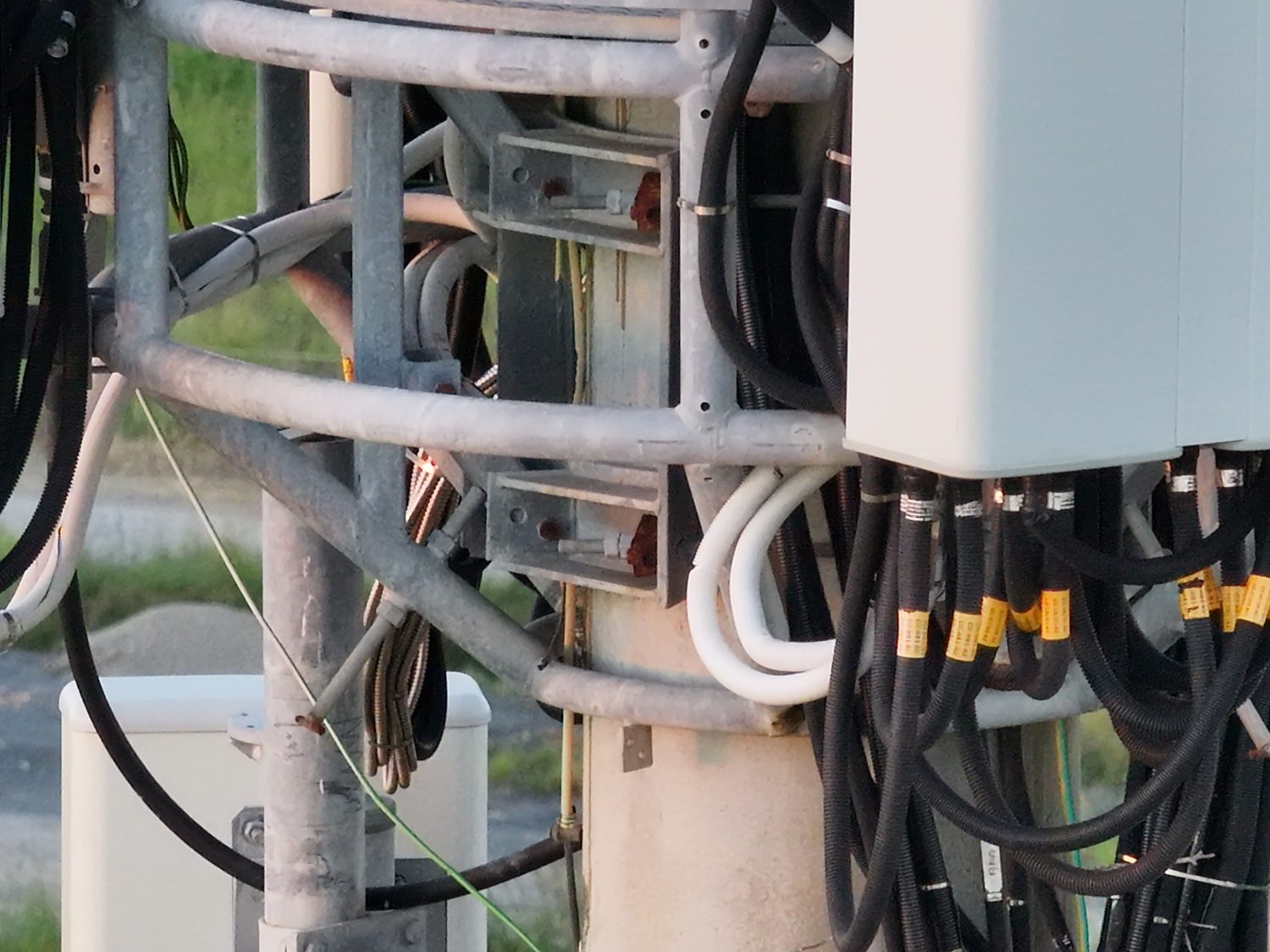 ASSET — COMMS TOWER
Straight answers, before you ask
Q/01What resolution does the imagery achieve?
Capture is planned to resolve sub-millimetre surface detail at the asset face — fine cracking, coating breakdown, fastener condition. You receive both the context frames and the detail crops, referenced so your engineer knows exactly where each image sits on the structure.
Q/02Which assets can you inspect?
Bridges, towers, dams and spillways, wharves, facades, roofs and industrial plant. If the surface is visible, it can be captured; where geometry is tight, standoff and lens selection are designed around it in the flight plan.
Q/03What about airspace and site approvals?
Hover operates under CASA ReOC #9398 and arranges the airspace approvals a site requires, including controlled airspace work. SWMS, insurances and site documentation are supplied ahead of mobilisation as standard.
Q/04What do we receive at the end?
A referenced set of inspection photos and video covering every face, with defects flagged for engineering review. No 3D model is built — a visual inspection is the faster, more cost-effective option. Findings can be reviewed by your inspector or a third-party witness live during the flight or from the footage afterward, and a written PDF report is available on request where the scope calls for one. Where you need each defect pinned to a measurable 3D model, that is the AI defect detection service.
Q/05How much does a drone inspection cost?
Simple single-asset visual inspections in Australia typically start in the several-hundred-dollar range, while large or complex structures with full defect reporting run into the low thousands. See the cost guide; Hover returns a written, fixed quote within one business day.
Scope this for your site
Send the asset and the deliverable you need — a scoped method and quote comes back within one business day.
HARRY BILLING — CHIEF REMOTE PILOT
0411 445 458
[email protected]
CASA ReOC #9398 · $20M PUBLIC LIABILITY